


Experiencing life with Obstructive Bowel Syndrome (OBS)—also commonly known as a bowel obstruction—can present numerous challenges. Your diet, during the recovery from a partial obstruction, as well as your diet and food choices to manage a condition that places you at risk for a bowel obstruction, is essential in both accomplishing your recovery as a whole, as well as in achieving long-term health and wellness. Although medical treatment is always the first priority for individuals with an acute bowel obstruction, the importance of diet and nutrition to keep an individual’s digestive tract functioning properly and at a balanced level cannot be overemphasized.
With bowel problems, the primary goal of Food and Nutrients is to help reduce inflammation, remove any further blockage from occurring, as well as provide your body with all necessary nutrients it needs without putting too much stress on your digestive system. There are many super-foods that you can utilize to improve both your gut health, as well as your quality of life.
The Balancing Act of Digestion and Obstructive Bowel Syndrome:
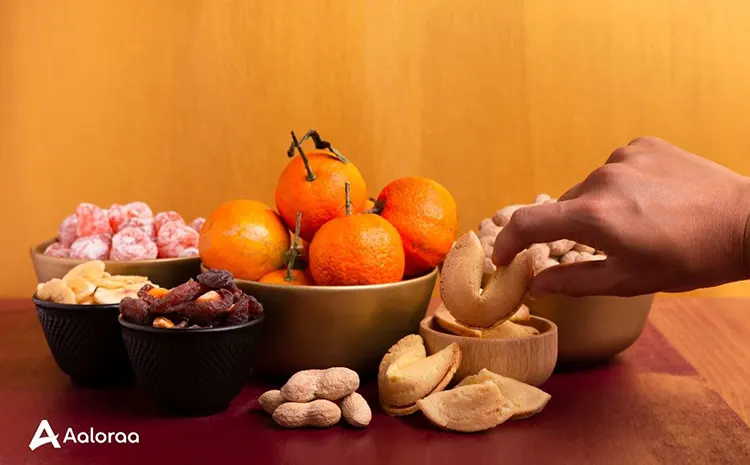
Prior to discussing what foods are suitable for an individual with bowel obstruction, it is important to understand that an individual with a bowel obstruction requires a specific approach to their bowel rehabilitation and healing. Many physicians will put their patients on a low-fiber diet during their active healing process to provide extra time for their bowel (intestinal) tract to heal. The growing interest Pune call girls in balanced nutrition and digestive wellness reflects the value of making informed food choices during recovery. However, to achieve long-term health, there are foods that will allow a gradual transition from low-fiber foods to those nutrient-dense, easily digestible foods that do not cause irritation to your gut. Superfoods are those foods that are high in biological value, possess anti-inflammatory properties, and are soft on the digestive system.
Also Read: 3 Signs Of Work-from-Home Burnout
The Power of Superfoods to Fight Inflammation
Are you aware that inflammation is a hindrance to gut motility? Chronic, inflamed intestinal linings can narrow pathways through the bowel, significantly increasing the likelihood of developing blockages. However, if you add anti-inflammatory superfoods to your daily meals and eat them frequently, you may assist in soothing your digestive tract and lowering your risk of further complications.
1. Bone Broth – The Superfood Miracle
Often referred to as the “liquid gold” of gut health, Bone Broth is one of the most beneficial superfoods for individuals experiencing bowel issues. It’s a fantastic example of how adding these “superfoods” to your diet can make such a positive impact on your overall health (including your gut health). Bone broth is rich in amino acids such as glutamine and glycine, both of which contribute to repairing the lining of your intestines. In addition to this, because of the way it is made (the bones are boiled for several hours) it is pre-digested, which means that it contains the necessary electrolytes and hydration to support your body without taxing your gut to digest other complex solids. Bone broth is the perfect foundational food for those days when your digestion is functioning poorly or experiencing sluggishness.
2. Fatty Fish – Wild-Caught
Omega three fatty acids have been proven to be very effective at reducing systemic inflammation throughout the entire body. Fatty fishlike salmon, mackerel, and sardines all have a high concentration of omega three fatty acids. For someone suffering from obstructive bowel syndrome (OBS), eating fatty fish as a source of protein is a fantastic option. The growing focus on balanced nutrition Mumbai call girls highlights the importance of selecting foods that can support digestive comfort and long-term health. The differences that exist between red meat (which is generally high in saturated fat and difficult for a compromised gut to break down) and fatty fish (whose softer texture makes it more easily digestible) dramatically affects the ability of someone with OBS to have a successful digestive experience.
Gentle Fiber with Prebiotic Benefits:
Fiber can frighten those dealing with obstructions in the bowel. However, there are different forms of fiber out there and they are not all the same! Soluble fibers, such as what transforms into a gel-like consistency in the belly, can assist in regulating the consistency of your stool and preventing the hard impaction that creates blockages.
3. Stewed Vegetables/Fruits:
Often, raw forms of vegetables can cause difficulty to a sensitive gut. In contrast, stewed or steamed vegetables (e.g. carrots, squash, peeled zucchini) soften and break down their cellulose content, allowing for easier digestion. These stewed superfoods contain vitamins and minerals while also maintaining softness to the stool. Cooked apples and pears (without the skin) also have a gentle effect on the system and provide pectin, which is a type of soluble fiber that helps promote good gut bacteria but without the roughness associated with raw roughage.
4. Turmeric & Ginger: Natural Digestive Aids:
Both of these roots are considered to be superfoods. They both act as natural prokinetic agents, meaning they both assist in moving food through the digestive tract. Additionally, ginger is well-known for assisting in calming nausea and promoting the efficient emptying of the stomach. Meanwhile, the active ingredient in turmeric, curcumin, is a powerful antioxidant and will help decrease inflammation associated with digestive tract irritations. Just a pinch of grated ginger directly to your dish can provide additional benefits.
Tips to support your gut’s success through lifestyle choices
Superfoods build your health but it is equally important to think about how you eat what you’re consuming. If you are dealing with OBSD, uses the following three lifestyle habits to help manage it:
- Practice Mindful Mastication (chew) – Digestion starts in the mouth! It is critical for you to chew your food until it is almost liquid! This reduces the amount of work your intestines have to do and greatly cuts down on the possibility of a large solid particle (food) getting stuck in a narrowed area of your bowel.
- Hydrate with Infused Electrolytes – Water is the primary lubricant for your digestive tract! You need to be sure to drink enough fluids, if you have bowel obstructions, consider adding electrolytes as they will help keep the muscles in your intestines contracting and working properly.
- Eat Smaller, More Frequent Meals – Eating large meals stimulates your MPC (gastrocolic reflex) which can overwhelm an already struggling digestive system. By eating five or six small, nutrient-rich meals each day you are providing steady energy to your body while also placing minimal pressure on your intestines.
Final Thoughts
Obstructive bowel syndrome is a long wait. By eating carefully, choosing a lot of super foods, and practicing mindful eating, you can lessen discomfort from your bowel condition and help support your body’s natural healing. Always discuss any type of serious diet change with your physician or dietitian as your individual needs change.
You can regain confidence in yourself; therefore, you will be able to live your best and most healthful life.
Also Read: 4 Stress-Free Ways To Help Students Learn Virtually